

Benefits of Fostering to Adopt a Cat in the US
Adopting a cat is a wonderful way to bring companionship, joy, and love into your home while giving a deserving animal a second chance. In the US, many animal shelters and rescue organizations offer a fostering-to-adopt option, allowing potential pet parents to care for a cat temporarily before making a lifelong commitment. This approach offers numerous benefits to both the adopter and the cat, making it an increasingly popular and effective way to welcome a feline friend into your family.
1. Better Understanding of the Cat’s Personality
Fostering to adopt provides you with the opportunity to observe a cat’s behavior in a home environment over an extended period. Unlike a brief shelter visit, fostering allows you to understand the cat’s temperament, energy levels, and compatibility with your lifestyle, family members, and other pets. It helps avoid surprises and ensures a better match between you and the cat, increasing the chances … Read More >>>

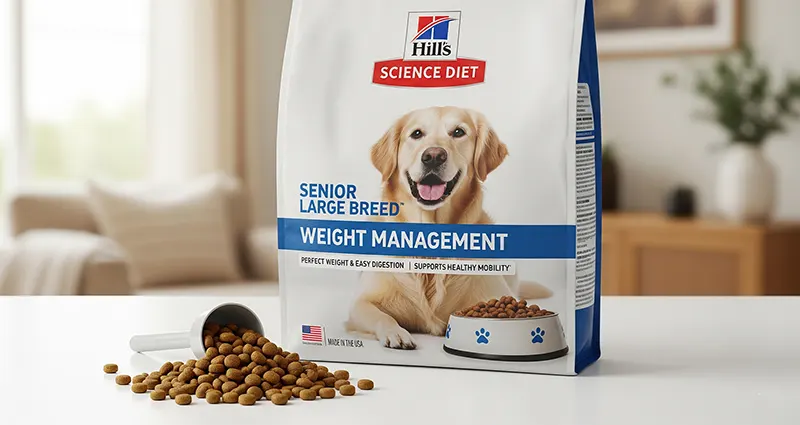
Best Weight Management Dog Food for Senior Large Breed Dogs in the US
As dogs age, their metabolism slows down, and their activity levels often decrease, making weight management a crucial aspect of maintaining their overall health — especially for senior large breed dogs. Overweight or obesity in senior dogs can lead to a range of health problems including joint stress, diabetes, and cardiovascular issues. Choosing the best weight management dog food tailored for senior large breeds in the US can support their nutritional needs while helping to maintain a healthy weight, mobility, and longevity.
Why Weight Management is Vital for Senior Large Breed Dogs
Large breed dogs such as Golden Retrievers, Great Danes, and German Shepherds naturally face increased strain on their joints as they age. Excess weight exacerbates these issues, impacting their quality of life. Weight management dog food formulated specifically for senior large breeds takes into account their unique nutritional needs, including lower calorie density, higher fiber content for satiety, … Read More >>>
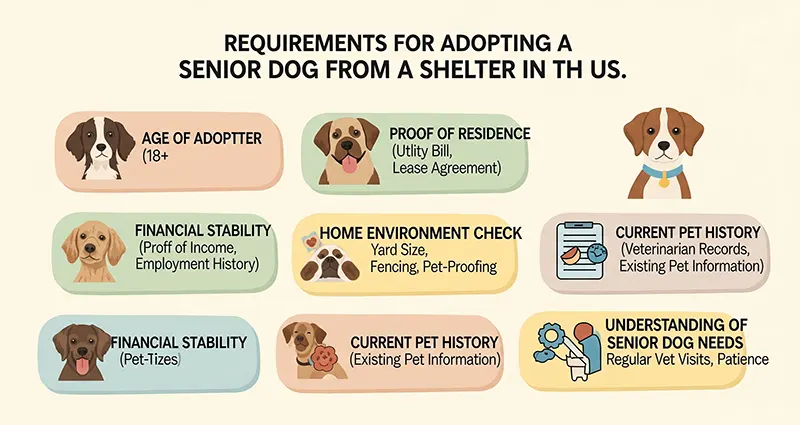
Requirements for Adopting a Senior Dog from a Shelter in the US
Adopting a senior dog from a shelter is a rewarding experience that offers a loving home to a pet in need while gaining a loyal and gentle companion. Senior dogs often have calmer temperaments and well-established personalities, making them great pets for those seeking a more relaxed and affectionate furry friend. However, the adoption process for senior dogs in the US has specific requirements designed to ensure the well-being of the animal and a successful transition into their new home. Understanding these requirements can help prospective adopters prepare for this meaningful commitment.
1. Age and Residency Requirements
Most shelters require adopters to be at least 18 years old, although some may have a minimum age of 21. Additionally, proof of residency in the state or local area is commonly necessary. This can include a driver’s license, utility bill, or lease agreement to verify the adopter’s address.
2. Application and Screening
… Read More >>>
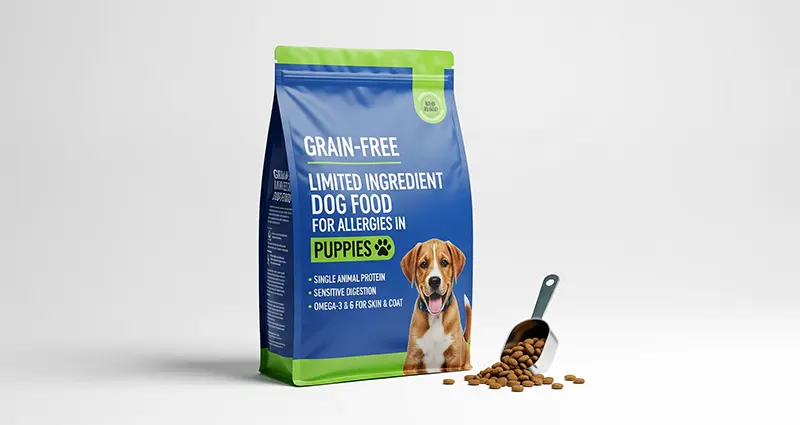
Grain-Free Limited Ingredient Dog Food for Allergies in Puppies
Puppies are energetic bundles of joy, but for some, allergies can turn mealtime into a challenge. Food allergies or sensitivities in puppies often manifest as itching, digestive upset, or skin irritation, impacting their comfort and development. For pet owners seeking effective dietary solutions, grain-free limited ingredient dog food has emerged as a popular and practical choice to manage allergies in puppies.
Understanding Allergies in Puppies
Food allergies in puppies typically arise from immune reactions to specific proteins or additives found in conventional dog food. Common allergens include grains (such as wheat, corn, and soy), dairy, and certain meat sources like beef or chicken. Symptoms can vary but often include:
- Itchy or inflamed skin
- Excessive scratching or licking
- Ear infections
- Vomiting or diarrhea
- Poor coat quality
Diagnosing food allergies usually involves an elimination trial under veterinary supervision, where suspected ingredients are removed and gradually reintroduced to identify triggers.
Why Choose Grain-Free
… Read More >>>
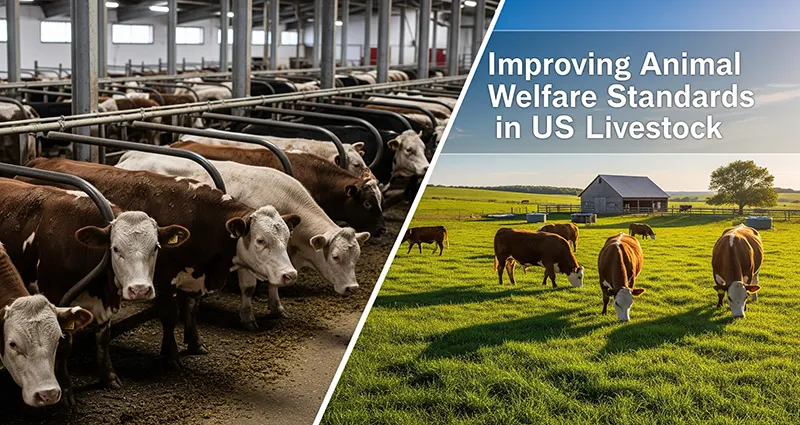
Improving Animal Welfare Standards in US Livestock
Animal welfare has become a critical concern in the modern agricultural landscape of the United States. As consumers increasingly demand ethically produced food and greater transparency in farming practices, improving animal welfare standards in US livestock operations is more important than ever. Enhanced welfare standards not only benefit the animals but also contribute to food safety, environmental sustainability, and the overall quality of meat and dairy products.
The Importance of Animal Welfare in Livestock
Animal welfare pertains to the physical and psychological well-being of animals. For livestock, this means ensuring animals have adequate space, proper nutrition, access to veterinary care, and environments that allow natural behaviors. Good welfare standards help prevent stress, injury, and disease, which can have direct impacts on animal health and product quality.
Current Challenges in US Livestock Welfare
Despite improvements over the years, some challenges persist in US livestock production:
- Confinement Systems: Large-scale industrial farms often