
The Cost of Owning an Exotic Pet: A Full Breakdown and Requirements

The allure of the unconventional—a vibrant reptile, a social marsupial, or a desert fox—often leads to the “Exotic Price Illusion.” Prospective owners frequently focus on the initial purchase price of the animal, failing to realize that this figure is often the smallest fraction of the total lifetime investment. Owning a non-domesticated species carries a profound financial and ethical responsibility to replicate a complex natural environment within the confines of a home.

In 2026, the cost of exotic ownership is influenced by specialized technology, fluctuating utility rates, and a scarcity of expert medical care.

The Primary Investment: Setup and Infrastructure

Unlike a dog or cat that can roam the home, an exotic pet requires a self-contained “Life Support System.”

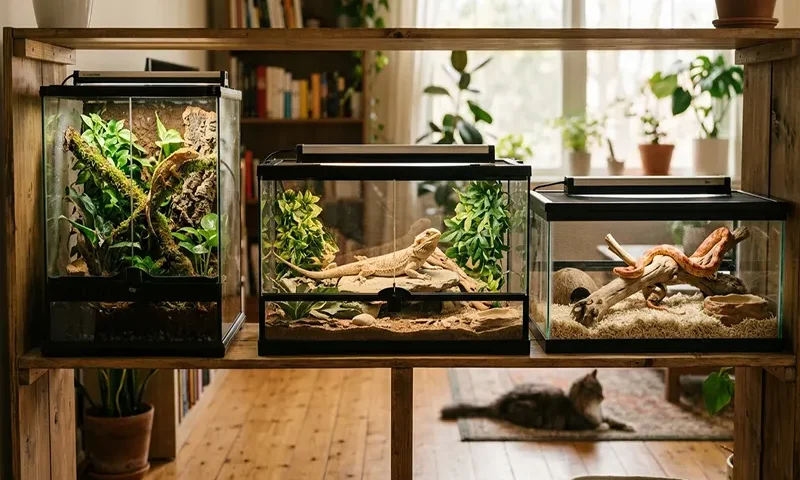
  • Specialized Habitats: Standard glass tanks are often insufficient; many species require high-end PVC enclosures for heat retention, double-flight cages for avian health, or custom-built vertical vivariums.
  • Environmental Control Systems: You
Read More >>>
Unique Exotic Mammals You Can Keep as Pets

The definition of companionship has shifted significantly in 2026. While dogs and cats remain the cornerstone of the domestic experience, a growing segment of owners is looking toward the “Exotic Appeal.” For many, the draw lies in the fascination with non-domesticated species and the unique behaviors they offer. However, the human-exotic bond is a significant responsibility; these animals require specialized husbandry that far exceeds the needs of traditional pets.

In the modern urban environment, where space is often a luxury, these “unique” pets offer a way to bring specialized wildlife into the home—provided the owner is prepared for the intensive commitment they demand.

The Species Spotlights

1. African Pygmy Hedgehogs (Care Intensity: Low-Medium)

Hedgehogs are the quintessential “introvert” pet, ideal for professionals with busy daytime schedules.

  • Behavior: They are solitary animals that are perfectly content to be left alone while you are away.
  • Diet: They require a high-quality insectivorous diet;
Read More >>>
Small Exotic Pets for Apartment Living in 2026

The urban landscape of 2026 has ushered in a new era of pet ownership defined by “Micro-Habitats”. As apartment dwellers seek companionship that aligns with high-density living, exotic pets have emerged as the premier choice due to their hypoallergenic qualities, space efficiency, and near-silent operation. For the modern city resident, an ideal pet must balance a small square footage requirement with low noise and minimal odor.

Below is a guide to the top exotic species that thrive in apartment environments, categorized by their habitat needs and lifestyle compatibility.

Reptilian Companions: Low Noise, High Efficiency

Reptiles are often the first choice for apartment living because they do not suffer from separation anxiety and require no vocalization to communicate.

1. Leopard Geckos

Leopard Geckos remain a top-tier choice for beginners in 2026.

  • Why they fit: They are docile, ground-dwelling lizards that do not require massive enclosures.
  • The Apartment Advantage: Unlike
Read More >>>
Exotic Pets You Can Legally Own in the United States

The definition of a “pet” has evolved significantly in 2026. While dogs and cats remain the standard, a growing number of Americans are looking toward the unconventional. However, owning an exotic animal in the U.S. is not as simple as finding a breeder; it involves navigating a complex, shifting “patchwork of laws” that varies by federal, state, and even municipal jurisdiction.

Before embarking on the journey of exotic pet ownership, it is vital to understand that “legal” does not always mean “easily kept.” High costs, specialized care, and strict permit requirements are the reality for those choosing the path of the exotic.

The Legal Framework: Who Sets the Rules?

Exotic pet ownership is governed by three distinct layers of authority.

  1. Federal Oversight: The USDA (United States Department of Agriculture) manages licensing for breeders and exhibitors, while the USFWS (U.S. Fish and Wildlife Service) regulates the import and export of species.
Read More >>>
Best Low-Maintenance Exotic Pets for First-Time Owners

The traditional landscape of pet ownership is shifting. In 2026, as urban living spaces become more compact and professional schedules more demanding, many people are looking beyond cats and dogs for companionship. “Exotic” pets—a broad term encompassing everything from reptiles and amphibians to specialized small mammals—have surged in popularity. For the first-time owner, the appeal is clear: many of these animals are hypoallergenic, quiet, and fit perfectly into a modern apartment lifestyle.

However, “low-maintenance” in the exotic world doesn’t mean “no maintenance.” While you won’t need to go for 6:00 AM walks in the rain, these animals require clinical precision in their environments. This guide explores the best beginner-friendly exotic pets that offer the perfect balance of unique personality and manageable care.

1. Leopard Geckos: The Ideal Entry-Level Reptile

Leopard Geckos remain the “gold standard” for beginner reptiles in 2026. Unlike many other lizards, they don’t require massive enclosures and … Read More >>>