
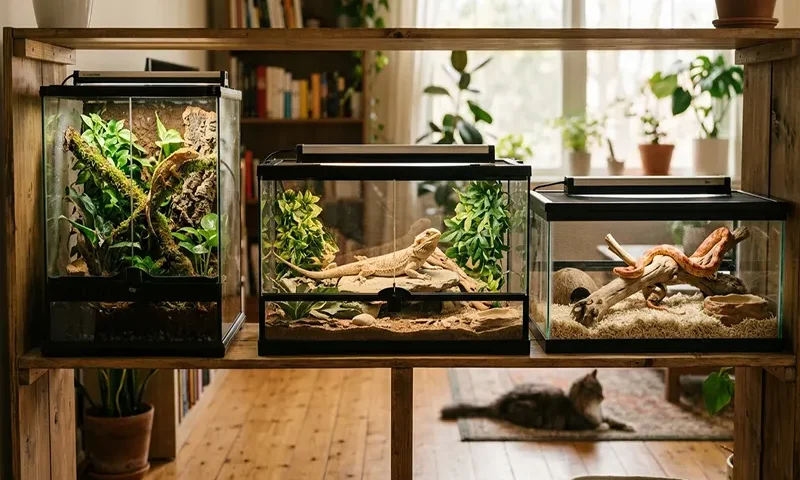
The traditional landscape of pet ownership is shifting. In 2026, as urban living spaces become more compact and professional schedules more demanding, many people are looking beyond cats and dogs for companionship. “Exotic” pets—a broad term encompassing everything from reptiles and amphibians to specialized small mammals—have surged in popularity. For the first-time owner, the appeal is clear: many of these animals are hypoallergenic, quiet, and fit perfectly into a modern apartment lifestyle.
However, “low-maintenance” in the exotic world doesn’t mean “no maintenance.” While you won’t need to go for 6:00 AM walks in the rain, these animals require clinical precision in their environments. This guide explores the best beginner-friendly exotic pets that offer the perfect balance of unique personality and manageable care.
1. Leopard Geckos: The Ideal Entry-Level Reptile
Leopard Geckos remain the “gold standard” for beginner reptiles in 2026. Unlike many other lizards, they don’t require massive enclosures and are naturally docile.
- Why they are low-maintenance: They are hardy and tolerate human handling better than almost any other reptile. Because they are crepuscular (active at dawn and dusk), their lighting needs are simpler than those of sun-loving desert species.
- Care Essentials: A 20-gallon long tank is the standard for one adult. They require a “thermogradient”—a warm side and a cool side—to regulate their body temperature.
- Diet: They are strictly insectivores, thriving on a rotating diet of crickets, mealworms, and dubia roaches.
2. Bearded Dragons: The “Social” Companion
If you want a pet that genuinely interacts with you, the Bearded Dragon is the answer. Often called the “dogs of the reptile world,” they are famous for their calm temperaments and distinctive “waving” gestures.
- Why they are low-maintenance: They are remarkably easy to tame and socialized quickly to human presence.
- The 2026 Tech Edge: Modern smart thermostats and automated lighting schedules have made maintaining their high UVB and heat requirements easier than ever for busy owners.
- Care Essentials: They do require a larger space (55–75 gallons as adults) and a mix of insects and fresh leafy greens.
3. Axolotls: The “Water Dragon” of 2026
The Axolotl has moved from a biological curiosity to a mainstream household favorite. These neotenic salamanders spend their entire lives underwater and are prized for their “smiling” faces and external feathery gills.
- Why they are low-maintenance: They don’t require land-to-water transitions or specialized UV lighting. They are perfect for owners who enjoy the aesthetic of an aquarium but want a more interactive “personality” than standard fish.
- Care Essentials: Water temperature is the biggest factor; they prefer it cool (around 16°C to 20°C). A high-quality canister filter is essential to keep the water pristine.
- Diet: Earthworms or specialized sinking pellets.
4. African Pygmy Hedgehogs: The Quiet Apartment Dweller
For those who prefer fur over scales but lack the space for a dog, the African Pygmy Hedgehog is a standout. They are solitary, meaning they are perfectly happy while you are at work.
- Why they are low-maintenance: They don’t have the social “separation anxiety” of guinea pigs or rats. They are quiet, scent-neutral if cleaned regularly, and don’t require a companion.
- Care Essentials: They need a large flat-bottomed cage (no wire floors) and a solid exercise wheel. Keeping their ambient temperature consistently warm is vital to prevent dangerous hibernation attempts.
- Diet: High-quality cat food supplemented with insects.
5. Corn Snakes: The Ultimate “Set and Forget” Pet
Corn snakes are widely considered the best beginner snake due to their calm nature and incredible hardiness. They rarely bite and come in a stunning array of “morphs” (colors).
- Why they are low-maintenance: Adult corn snakes only eat once every 7 to 10 days. If you go away for a long weekend, your pet won’t even notice you’re gone.
- Care Essentials: A secure, escape-proof enclosure is a must. They need a simple heat mat or overhead lamp to provide a warm basking spot.
- Diet: Frozen-thawed rodents (available at most pet stores).
The 2026 Reality Check: What New Owners Must Know
Before bringing home an exotic pet, you must look past the “cool factor” and consider the long-term commitment.
- The Lifespan Factor: Many of these “beginner” pets live much longer than traditional small mammals. A Leopard Gecko or Corn Snake can easily live 15 to 20 years.
- Specialized Healthcare: Your local neighborhood vet may not be equipped to treat a reptile or amphibian. Always locate an “Exotic Certified” veterinarian in your area before you buy.
- Ethical Sourcing: In 2026, responsible ownership starts with ethical sourcing. Always purchase from reputable breeders who can provide “Captive Bred” (CB) documentation. This ensures your pet wasn’t taken from the wild and is more likely to be healthy and socialized.
Comparison Table for First-Time Owners
| Pet | Average Lifespan | Primary Diet | Interaction Level |
| Leopard Gecko | 15–20 Years | Insects | Moderate |
| Bearded Dragon | 10–15 Years | Insects & Greens | High |
| Axolotl | 10–15 Years | Worms/Pellets | Low (Visual) |
| Hedgehog | 4–6 Years | Cat Food/Insects | Moderate |
| Corn Snake | 15–20 Years | Rodents | Low/Moderate |
The best exotic pet is one that fits your specific rhythm of life. Whether it’s the prehistoric charm of the Axolotl or the gentle, social nature of the Bearded Dragon, the exotic pet world offers a unique form of companionship that is both rewarding and manageable. By focusing on environmental precision and ethical sourcing, you can ensure that your first foray into the world of exotic animals is a success for both you and your new companion.

