Exotic Pets You Can Legally Own in the United States

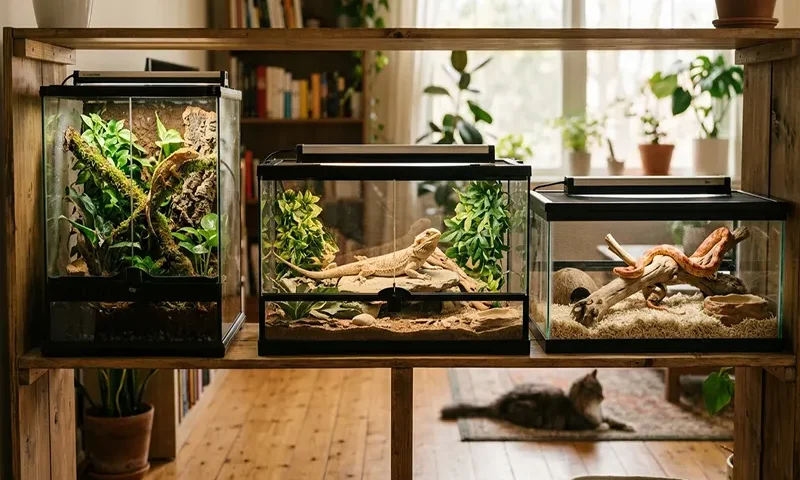
The definition of a “pet” has evolved significantly in 2026. While dogs and cats remain the standard, a growing number of Americans are looking toward the unconventional. However, owning an exotic animal in the U.S. is not as simple as finding a breeder; it involves navigating a complex, shifting “patchwork of laws” that varies by federal, state, and even municipal jurisdiction.

Before embarking on the journey of exotic pet ownership, it is vital to understand that “legal” does not always mean “easily kept.” High costs, specialized care, and strict permit requirements are the reality for those choosing the path of the exotic.

The Legal Framework: Who Sets the Rules?

Exotic pet ownership is governed by three distinct layers of authority.

  1. Federal Oversight: The USDA (United States Department of Agriculture) manages licensing for breeders and exhibitors, while the USFWS (U.S. Fish and Wildlife Service) regulates the import and export of species.
Read More >>>
Best Quiet Small Animals for Apartment Pets in 2026

The “Quiet Home” trend has taken center stage in 2026 as urban dwellers increasingly prioritize domestic tranquility. In an era where remote work and high-density living are the norms, the demand for companions that offer emotional support without the high-volume vocalization of traditional pets has surged. For apartment residents, the ideal pet is one that respects shared walls, fits into compact footprints, and integrates seamlessly into a modern lifestyle.

Choosing a quiet companion involves more than just avoiding barks or chirps; it requires an understanding of an animal’s natural rhythm and the mechanical noise of their habitat. From “pocket dogs” with inaudible voices to silent reptilian observers, here are the best quiet small animals for apartment living in 2026.

The “Silent 6” Profiles

1. Chinchillas: The Velvet Night-Owls

Chinchillas are famed for having the softest fur in the animal kingdom, but they are equally valuable for their low noise levels.… Read More >>>

Indestructible Rubber Chew Toys for Aggressive Chewing Large Breeds

For owners of “Power Chewers”—breeds like the American Pit Bull Terrier, German Shepherd, Rottweiler, or Mastiff—the term “toy” can often feel like a misnomer. In the jaws of these canine athletes, most standard pet store offerings are not toys, but rather expensive, five-minute snacks. The struggle is real: you want to keep your dog engaged and satisfy their natural biological urge to chew, but you are tired of cleaning up colorful rubber shrapnel from your rug.

Aggressive chewing isn’t just a threat to your wallet; it’s a major health risk. Low-quality rubber can splinter into sharp shards or be swallowed in large chunks, leading to emergency surgeries for intestinal blockages or choking. Large breeds can exert jaw pressures ranging from 200 to 400 PSI, making the selection of durable materials a matter of safety as much as longevity.

The Science of “Indestructible” Rubber

In the engineering of canine gear, … Read More >>>

Best Low-Maintenance Exotic Pets for First-Time Owners

The traditional landscape of pet ownership is shifting. In 2026, as urban living spaces become more compact and professional schedules more demanding, many people are looking beyond cats and dogs for companionship. “Exotic” pets—a broad term encompassing everything from reptiles and amphibians to specialized small mammals—have surged in popularity. For the first-time owner, the appeal is clear: many of these animals are hypoallergenic, quiet, and fit perfectly into a modern apartment lifestyle.

However, “low-maintenance” in the exotic world doesn’t mean “no maintenance.” While you won’t need to go for 6:00 AM walks in the rain, these animals require clinical precision in their environments. This guide explores the best beginner-friendly exotic pets that offer the perfect balance of unique personality and manageable care.

1. Leopard Geckos: The Ideal Entry-Level Reptile

Leopard Geckos remain the “gold standard” for beginner reptiles in 2026. Unlike many other lizards, they don’t require massive enclosures and … Read More >>>